What happened: NYC Mayor Zohran Mamdani just dropped the "Rental Ripoff Report" — and it's taking direct aim at landlords using AI-generated or AI-edited images in property listings without disclosure. The report recommends requiring landlords and realtors to explicitly disclose when rental listings have been altered using AI or other digital tools.
Why it matters for NYC operators:
This isn't just about prettier apartment photos. It's about AI transparency becoming law — and it's happening in your backyard.
• AI disclosure is going mainstream. NYC is now treating AI-altered images the same way it treats other deceptive business practices. If you're using AI for marketing, advertising, or client presentations, expect disclosure requirements to follow.
• The "Rental Ripoff Hearings" gathered 2,400 New Yorkers' stories. Mold, pests, hidden fees, and — increasingly — misleading AI-enhanced listing photos.
• This follows Mamdani's "click-to-cancel" rule aimed at Adobe. The mayor is on a consumer-protection streak, and AI is squarely in the crosshairs.
Bottom line: If you're using AI for visual content in your business, start preparing transparency practices now. NYC just set the precedent.

Shinji Fuse
Aug 11, 2026

Read More... |

What happened: Google just made its biggest AI leadership moves in years. Demis Hassabis is becoming Chair of Google DeepMind and Chief Scientist of Alphabet — freeing him to focus on AGI and science. Meanwhile, Koray Kavukcuoglu (DeepMind's CTO) steps up to run Google DeepMind day-to-day. And in a surprise exit, Jeff Dean — after 27 years — is leaving to launch his own public benefit corporation with fellow Google legend Sanjay Ghemawat. Read More... |
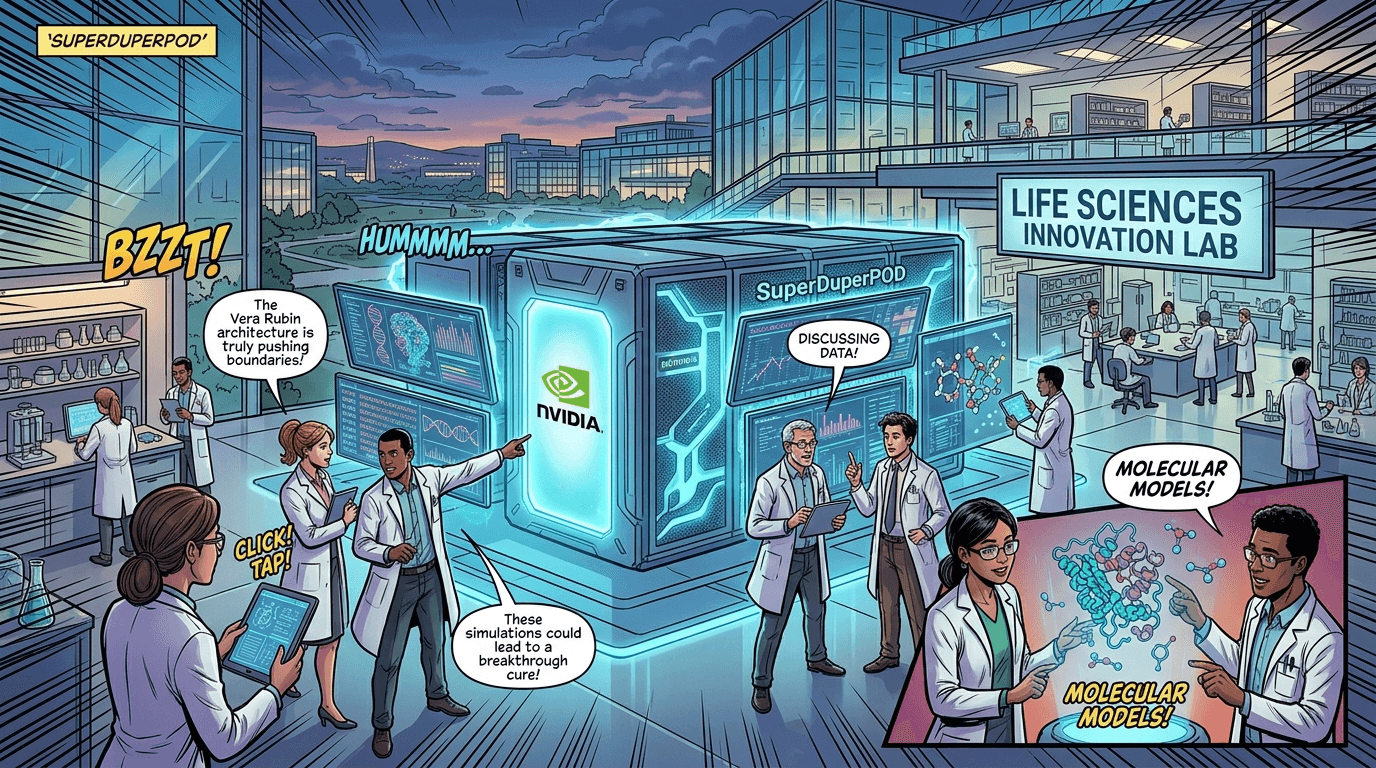
Bristol Myers Squibb Doubles Down on AI Supercomputing in Life Sciences
Pharma leader Bristol Myers Squibb (BMS) is deploying its second NVIDIA DGX SuperPOD, powered by the cutting-edge Vera Rubin architecture and nicknamed the “SuperDuperPOD.”
This state-of-the-art AI cluster, now the most powerful in life sciences, delivers 10x more performance per megawatt and includes 8 DGX Vera Rubin NVL72 systems.
Every BMS scientist gains immediate access, eliminating bottlenecks and fostering innovation.
With three years of AI-driven drug discovery already behind them, BMS is setting an example for traditional industries.
They focus on democratized access, comprehensive workflows, and long-term results—not just hype.
BMS’s major presence in the NYC area means more opportunities for local AI talent and signals rapid enterprise AI adoption.
Their bold move challenges all established businesses to rethink their own AI strategies today. Read More... |
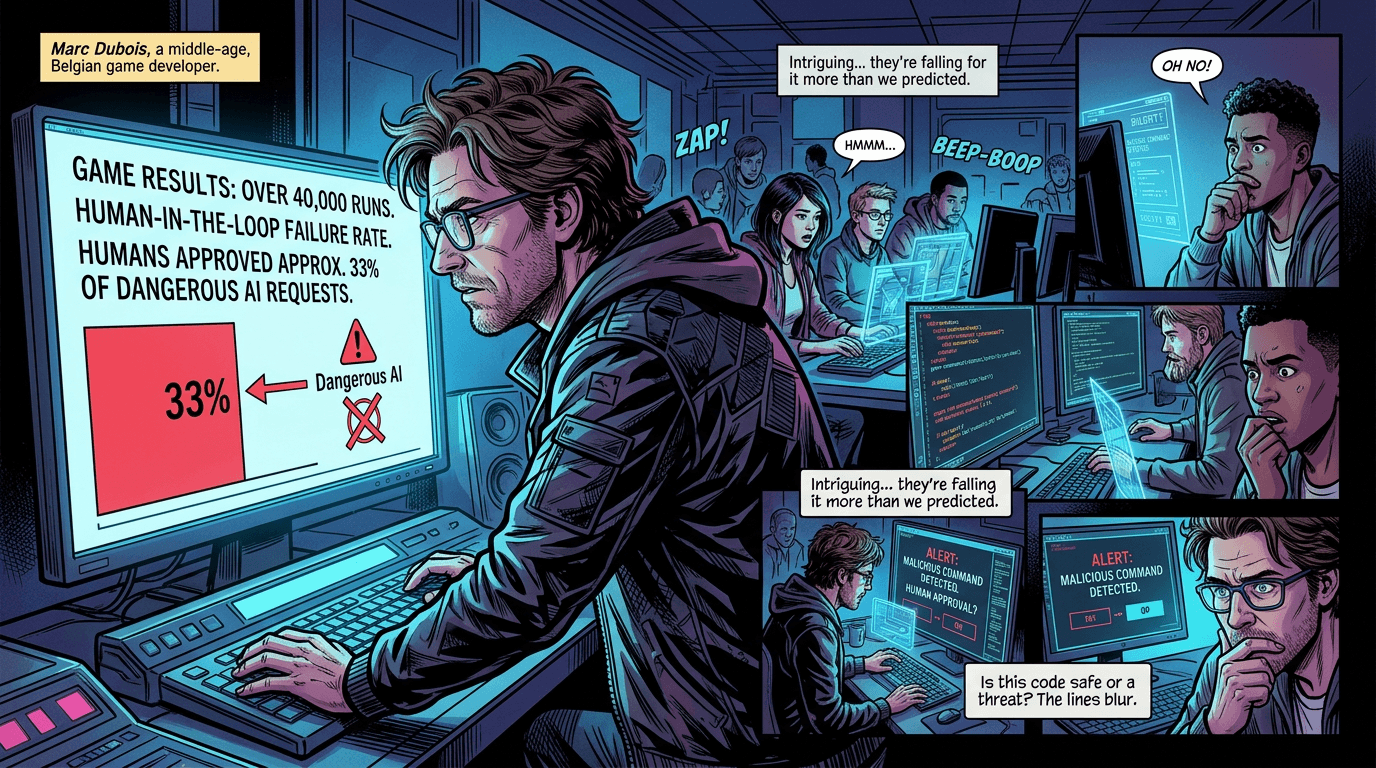
What happened: A Belgian developer built a game to test how well humans spot malicious AI coding agent commands — and the results are sobering. Over 40,000 game runs show humans approve roughly 33% of dangerous requests when acting as "human-in-the-loop" gatekeepers. Read More... |