
Shinji Fuse
Jun 2, 2026
NYC Small Business Month Expo happened on May 28th ! |
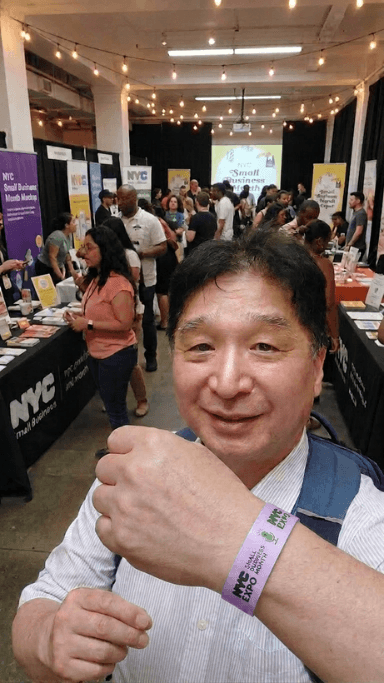
2026 NYC Small Business Month Expo — Executive SummaryThe NYC Small Business Month Expo 2026 is hosted by the NYC Department of Small Business Services and serves as the capstone event of NYC Small Business Month. It is designed to connect business owners with free government resources, advisors, workshops, funding programs, and networking opportunities. Below is an event schedule. There were many workshops and open table presentation. It was nice to talk with city staff and ask few questions directly. I strongly recommend to attend it next time if you missed it.
Event Details
Main ThemesThe Expo is organized around the six most common challenges facing NYC small businesses:
What You'll FindFunding & Capital
One featured workshop covers:
Marketing & Customer Growth
Workforce & Hiring
Legal & Compliance
AI OpportunityAlthough AI is not listed as a dedicated track, many attendees will be looking for solutions to:
This could make the Expo a strong venue for networking and lead generation for your agency. Schedule StructureThe Expo uses registration windows rather than a rigid conference-style agenda: Morning Session9:00 AM – 11:00 AM
Midday Session11:00 AM – 1:00 PM
Afternoon Session1:00 PM – 4:00 PM
4:00 PM – 5:00 PM
|
Why Your SEO Strategy May Already Be Outdated ? |
Enter DescriptionSearch is shifting from keywords to answers. Discover how NYC businesses can improve visibility in ChatGPT, Google AI Overviews, and the next generation of search. |
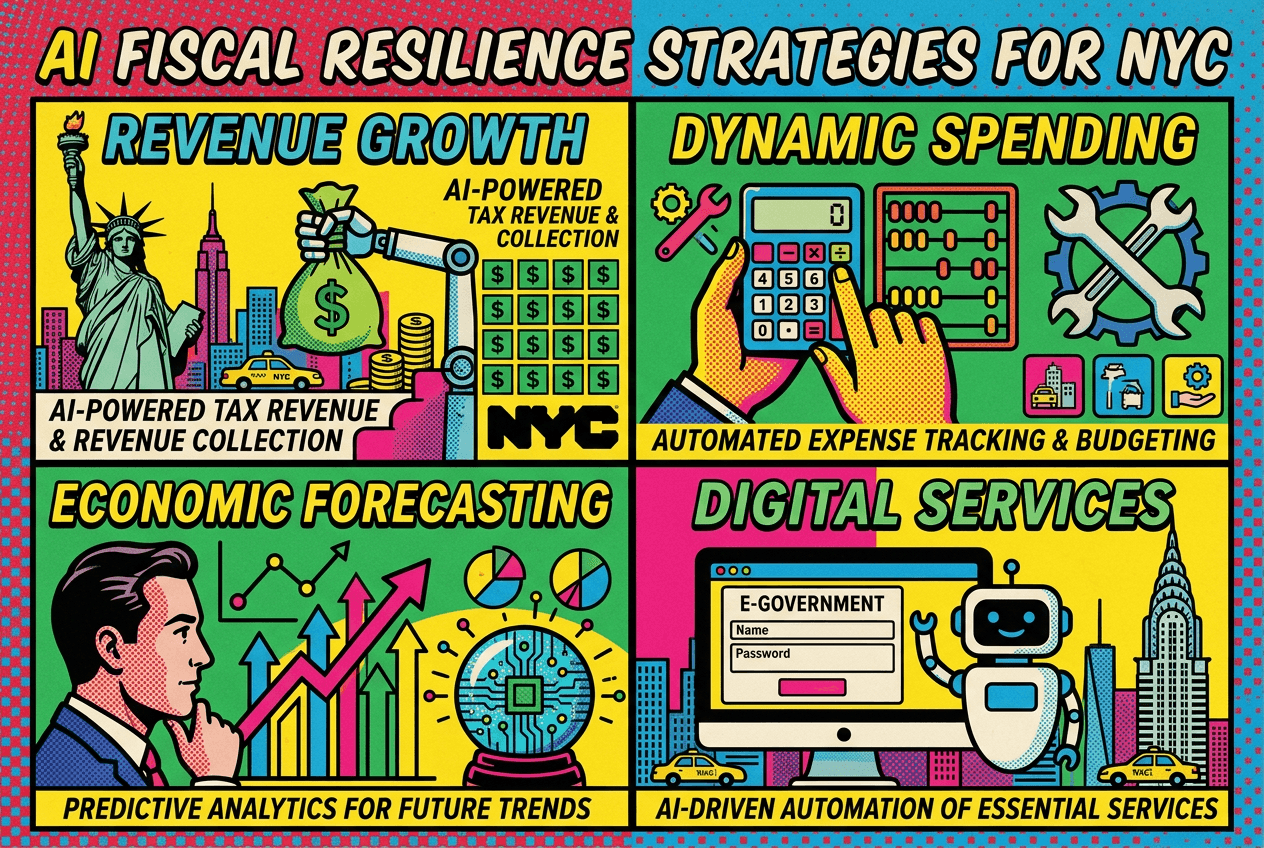
New York City is leading the way in the artificial intelligence boom, navigating both major opportunities and looming risks.
The city’s bustling AI industry and workforce connected to automation-prone fields make it especially vulnerable to job displacement.
Studies warn that up to 259,000 local jobs, mainly junior and entry-level roles, could be lost as more companies turn to AI for routine tasks.
To strengthen economic resilience, the NYC Comptroller’s Office has unveiled a plan to boost the city’s rainy day fund to 16% of tax revenue, serving as a crucial financial cushion against possible AI-driven downturns.
The approach also calls for modernizing city systems for greater efficiency and pushing for policies to make sure all New Yorkers benefit equitably from AI advancements.
Through these proactive steps, New York City seeks to secure its future and make AI’s rewards accessible to everyone. Read More... |

New York City has solidified its status as a global powerhouse in artificial intelligence, with remarkable expansion throughout the tech sector.
In 2024, tech industry jobs soared by 26.2% from 2019 levels, easily outpacing overall private sector growth.
This momentum has made technology the city’s top engine for creating new middle- and high-wage positions.
Over 25,000 AI job postings appeared in 2024, driving 14% of job growth and fueling a network of 2,000+ AI startups and a workforce surpassing 40,000 skilled professionals.
For every job impacted by AI, between four and ten could be enhanced by new technologies.
Investment surged in early 2025, with $1.5 billion raised across 81 deals—outpacing Los Angeles and Boston.
However, leaders stress the importance of addressing economic, regulatory, and environmental risks as AI’s influence grows in NYC. Read More... |
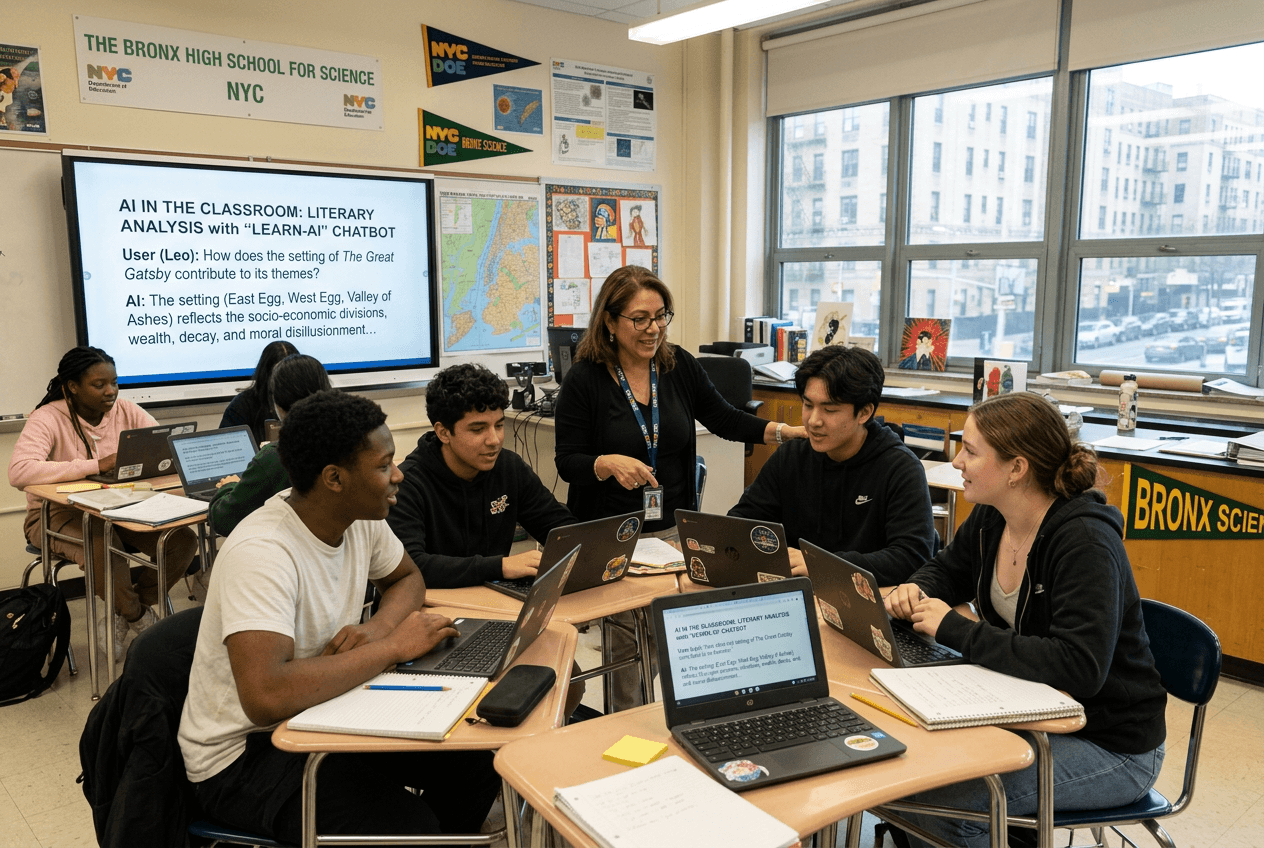
New York City Public Schools (NYCPS) introduced draft guidelines in March 2026 for using artificial intelligence in classrooms, igniting widespread concern among parents and educators.
The proposed 'traffic light' system aimed to clarify AI usage, dividing applications into prohibited, cautionary, and approved categories.
However, this draft drew criticism for not thoroughly addressing risks tied to student privacy, equity, and educational quality.
Chancellor Kamar H. Samuels admitted the initial framework underestimated community anxieties, especially for children ages three to five, and labeled AI as “the most invasive technology that we’ve seen.”
Echoing these fears, a petition demanding a two-year pause on classroom AI use quickly gained more than 3,000 signatures.
Following strong opposition and over 6,000 public comments—most from educators and parents—NYCPS pledged to revise its guidance with greater transparency and caution.
Final rules are expected to better balance innovation with safeguarding students and ensuring educational fairness. Read More... |