
Mandatory AI Job-Impact Reporting
assembly bill a9581b and ai workforce reporting requirements explained
NYC businesses are facing new expectations as efforts to understand the impact of artificial intelligence on local jobs intensify.
The introduction of assembly bill a9581b means companies across the borough must now engage in regular ai job impact reporting to the state.
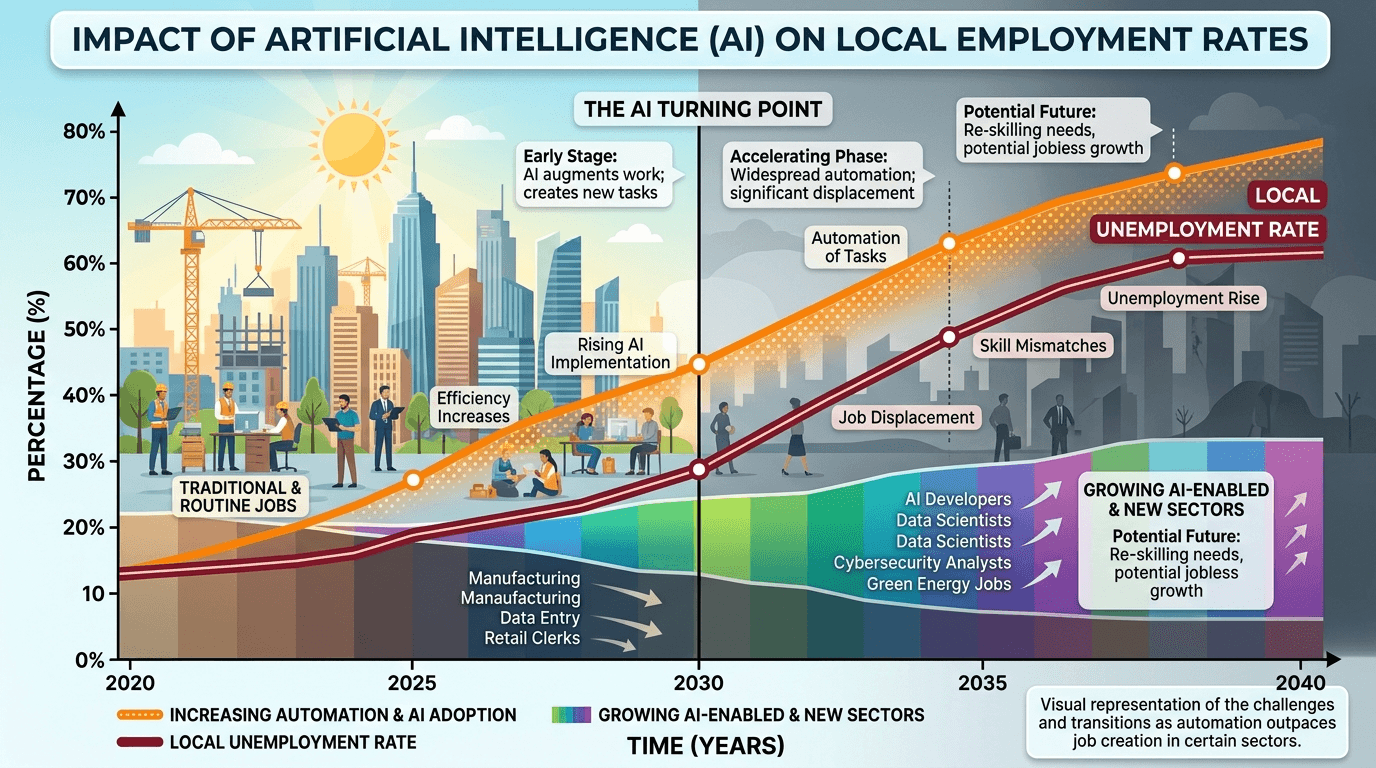
This legislation would require employers to submit yearly reports detailing how AI adoption is shaping their workforce—from layoffs and hiring shifts to roles left vacant due to automation.
For business owners in Brooklyn, the new rules may spark a sense of urgency.
These reports could soon become a routine factor shaping everything from hiring plans to budget talks in small startups and larger tech firms.
According to recent reports, hundreds of job cuts have already been linked to automation across New York in just the past year, highlighting why many are watching these developments with keen interest.
Governor Hochul's administration had previously issued directives tied to mass layoff notices, but this bill aims to surface the more invisible, gradual workforce changes that often slip through the cracks.
Some local leaders argue that consistent ai workforce reporting could finally provide the data needed to inform retraining efforts and support affected workers.
Uncertainty remains over how "AI-caused" changes will be defined and tracked, especially in industries just beginning to experiment with automation.
In neighborhoods like Downtown Brooklyn and Industry City, where tech startups and creative businesses continue to open, the challenge will be finding a balanced approach that captures both risks and opportunities tied to AI.
For now, businesses are left to interpret the evolving guidance while keeping an eye on the fast-changing digital landscape. |
0 Comments
Join the conversation
Be the first to comment
Share your thoughts above.