
AI workplace regulations insights for Brooklyn NY businesses
Covering ai laws new york and aise act new york changes for employers
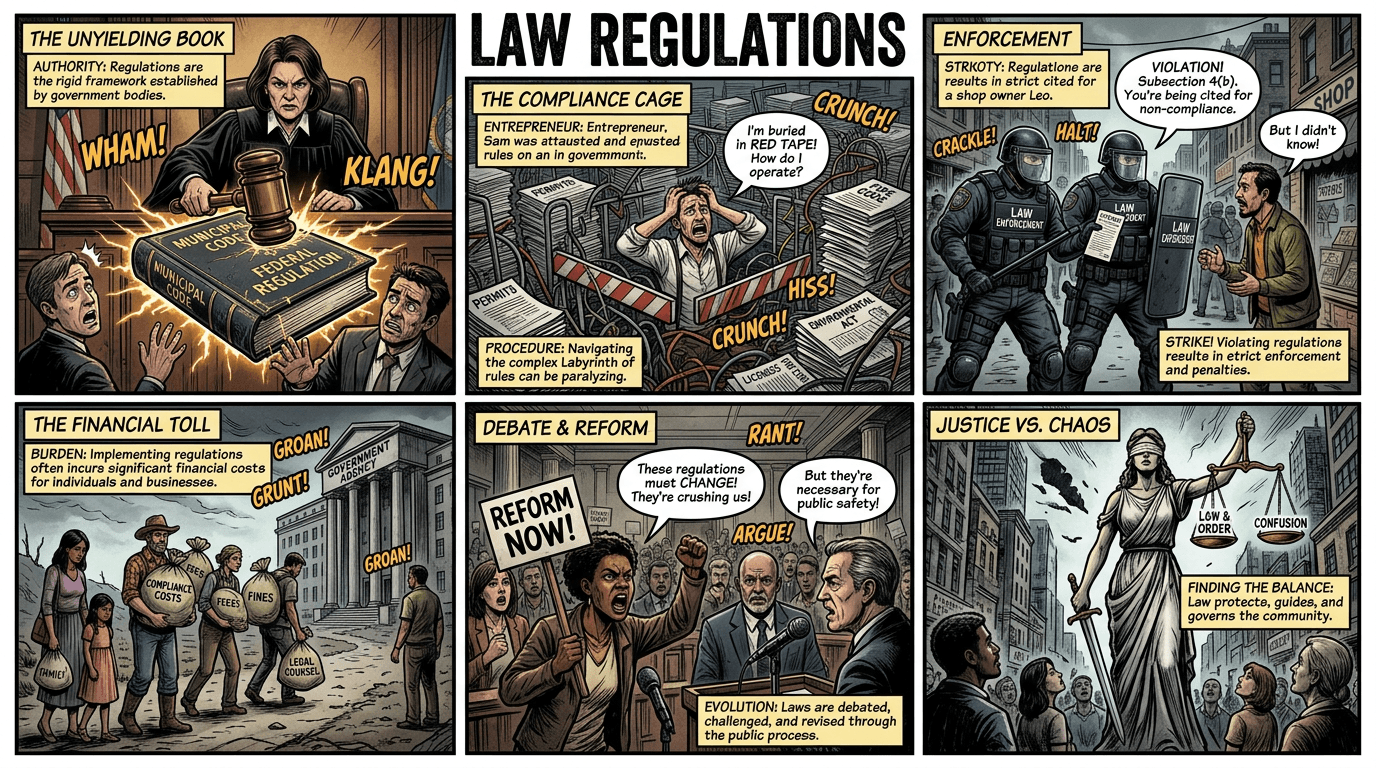
NYC businesses are facing new challenges as New York implements stringent AI workplace regulations.
The Responsible AI Safety and Education (RAISE) Act, signed into law by Governor Kathy Hochul on March 27, 2026, introduces comprehensive safety and transparency requirements for developers of advanced AI models. This legislation aligns with California's Transparency in Frontier Artificial Intelligence Act, creating a unified approach to AI governance. ([cooley.com](https://www.cooley.com/news/insight/2026/2026-03-31-new-yorks-frontier-ai-law-gets-a-california-makeover-with-some-key-differences?utm_source=openai))
Under the RAISE Act, large developers—those with annual revenues exceeding $500 million—must adhere to strict protocols. These include developing and publicly disclosing safety measures, conducting regular risk assessments, and reporting critical safety incidents within 72 hours. Non-compliance can result in penalties up to $1 million. ([stackfutures.com](https://stackfutures.com/blog/new-york-raise-act-final-frontier-ai-law-2027/?utm_source=openai))
While the RAISE Act primarily targets large AI developers, its implications extend to businesses utilizing AI technologies. Companies employing AI in hiring, staffing, or customer interactions must ensure their tools comply with the new standards. This includes verifying that AI systems are transparent, safe, and do not inadvertently discriminate against protected classes.
To navigate these changes, Brooklyn businesses should:
1. **Audit AI Tools**: Review all AI applications used in operations to ensure they meet the new regulatory requirements.
2. **Implement Oversight**: Establish human oversight mechanisms to monitor AI decisions, particularly in employment-related processes.
3. **Stay Informed**: Keep abreast of further legislative developments and guidance from state authorities regarding AI usage.
By proactively addressing these areas, businesses can mitigate risks and harness AI's benefits within the framework of New York's evolving legal landscape. |
0 Comments
Join the conversation
Be the first to comment
Share your thoughts above.