
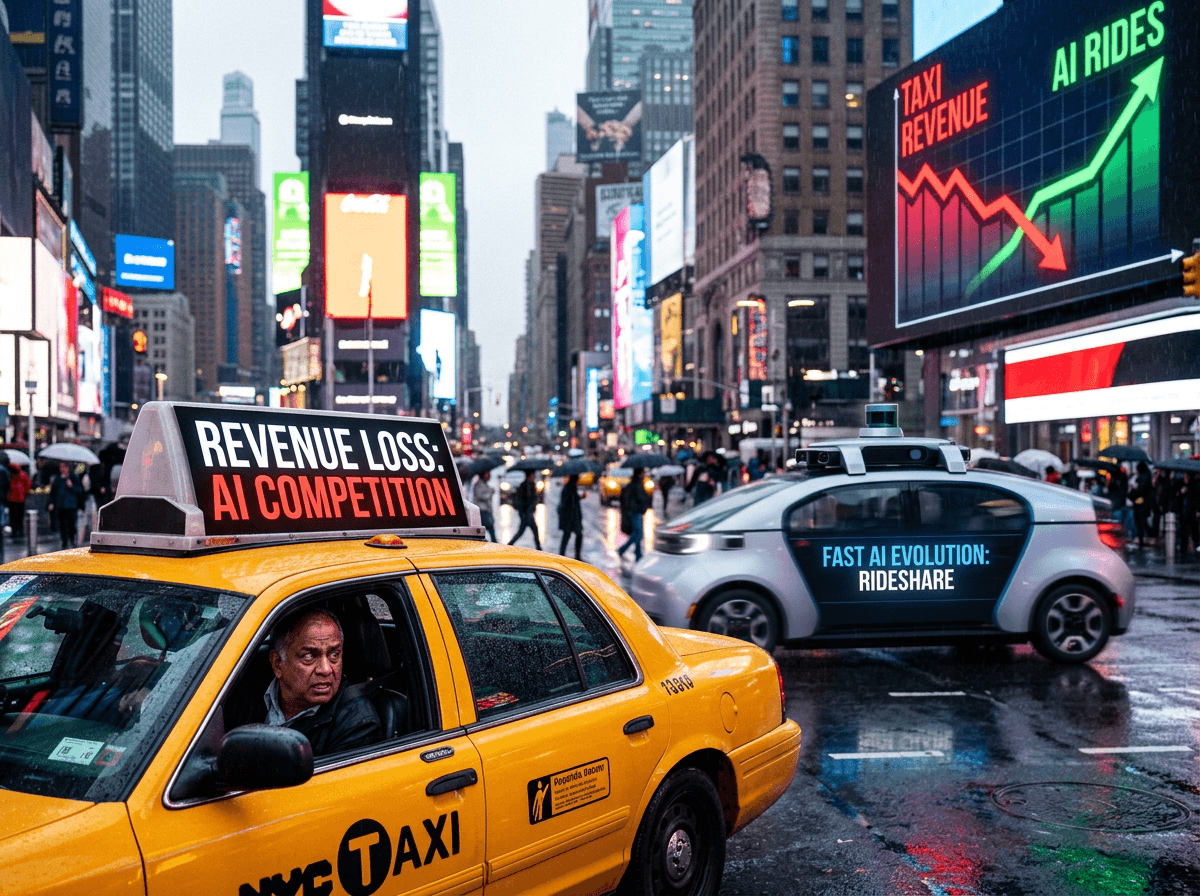
AI economic impact and Brooklyn NY strategies for resilience
city tax revenue loss and new york city budget cuts threats
New York City's chief auditor is urging Mayor Zohran Mamdani to implement significant budget cuts, highlighting the potential economic impact of artificial intelligence on the city's financial health.
City Comptroller Mark Levine has raised concerns about AI's effect on tax revenue, suggesting a 50% chance that this emerging technology could trigger a recession across the five boroughs.
Levine emphasized that the city's current financial reserves are insufficient to weather such an economic downturn. He stated, "We are entering into the most dramatic technological revolution of our lifetime, and this will change New York City in ways that are difficult to even imagine."
New York City, more than any other place in America, is deeply intertwined with the financing of AI, given its status as the nation's capital of white-collar work, with a million people employed in roles highly susceptible to AI integration.
To prepare for the potential financial impact, Levine recommends that the mayor's office increase the city's savings by an additional $6.5 billion. This would involve further reductions in the city's budget, including areas such as housing vouchers and the Department of Education.
Recently, Mayor Mamdani unveiled a budget plan reducing spending to $124.7 billion, down from an earlier proposal exceeding $127 billion. This plan also reverses previous decisions to draw down the city's reserves and raise taxes.
However, Levine points out that the current $7.2 billion in savings, spread across multiple accounts, still falls short of the $13.5 billion his team estimates is necessary to prepare for various financial scenarios AI could create. Economists remain divided on the exact impact AI will have as it becomes more integrated into the workplace.
The comptroller's office has outlined five potential scenarios regarding AI's impact on employment and tax revenue:
1. If the AI bubble bursts, leading to failed investments (25% chance), the city could lose 135,000 private-sector jobs, resulting in an $8.8 billion tax revenue loss.
2. If AI development accelerates, replacing jobs faster than they can be recreated (20% chance), the city might lose 94,000 jobs, particularly in office-based roles, leading to a $5.5 billion tax revenue loss.
3. In a worst-case scenario (5% chance), AI could fully disrupt the city's economy, causing a loss of 259,000 jobs and $14.4 billion in tax revenue.
4. The most likely outcome (35% chance) is that the city benefits from AI, boosting tax revenue by approximately $7 billion by 2030 and increasing private-sector jobs by 1.2%.
5. There's also a 15% chance of a significant economic boost, similar to the late-1990s internet boom, leading to higher wages, nearly 30,000 more private-sector jobs, and $8 billion in additional revenue between 2027 and 2030.
Given these uncertainties, Levine urges the mayor to establish a formula ensuring reserve levels are maintained at 16% of tax revenue annually. He stressed the need for fully funded reserves to navigate the unpredictable economic landscape shaped by AI.
In Brooklyn, community leaders are proactively addressing these challenges by investing in AI education and workforce development programs. Local initiatives aim to equip residents with the skills needed to thrive in an AI-driven economy, fostering resilience against potential job disruptions.
By focusing on education and innovation, Brooklyn seeks to transform potential economic threats into opportunities for growth and advancement. |
0 Comments
Join the conversation
Be the first to comment
Share your thoughts above.